
Introduction to Co-Living Space Challenges
Co-living spaces are becoming increasingly popular, especially among young professionals and students. These shared living environments offer a sense of community and convenience, but they also present unique challenges when it comes to furnishing and decorating. One of the biggest hurdles is maximizing space without creating clutter. You’ve probably experienced it yourself – a small room that’s supposed to serve as a bedroom, living room, and workspace all at once.
The Challenge of Furnishing Co-Living Spaces
Furnishing a co-living space requires careful consideration of space-saving solutions. You need furniture that’s functional, yet doesn’t overwhelm the space. A wall shelf for co-living space can be a great addition, providing storage and display space without taking up valuable floor area. The key is finding the right balance between form and function.
Hanamori’s foldable furniture is designed with this challenge in mind. Their products, inspired by Japanese minimalism, offer practical solutions for small spaces. For instance, their folding desks can help create a dedicated workspace that can be easily stowed away when not in use. You can explore more about their folding desk solutions in our guide on 5 Space-Saving Hacks for Your Home with the Best Folding Desk in Noida.
- Maximizing vertical space with wall-mounted furniture
- Choosing multi-functional pieces that serve more than one purpose
- Opting for foldable or retractable furniture to save space when not in use
By incorporating these strategies, you can create a harmonious and functional living environment in your co-living space. In the following sections, we’ll delve deeper into the essential elements to consider when choosing a wall shelf for your co-living space.
Understanding Your Space: Measurements and Layout
Now that we’ve introduced the challenges of co-living spaces and the importance of space-saving solutions, let’s dive into the nitty-gritty of measuring your space and understanding its layout. This is crucial in determining the ideal wall shelf for co-living space size and placement.
Measuring Your Space
To start, take precise measurements of your room’s dimensions, including the length, width, and height. Don’t forget to note the location of doors, windows, and any existing furniture. This will help you visualize the space and identify potential areas for your wall shelf.
- Measure the width of your walls to determine the maximum shelf size.
- Note the height of your ceiling to decide on the optimal shelf placement.
- Record the dimensions of your existing furniture to ensure the shelf doesn’t obstruct the space.
Here’s the thing… it’s not just about measuring the space; it’s about understanding how you use it. Consider the flow of traffic, the location of your workspace or relaxation areas, and how you want to utilize your wall shelf.
Assessing Your Layout
Take stock of your room’s layout and identify areas that could benefit from a wall shelf. Ask yourself:
- Are there any blank walls that could be utilized for storage or display?
- Are there any cluttered areas that could be decluttered with a wall shelf?
- Do you have a specific spot in mind for your wall shelf, or are you open to exploring different options?
By understanding your space and its layout, you’ll be better equipped to choose a wall shelf that complements your co-living space and meets your needs. For more inspiration on space-saving solutions, check out our guide on display ladders in India.
Key Features to Look for in a Wall Shelf
When choosing a wall shelf for your co-living space, there are several key features to consider to ensure you find the perfect fit. You’ve already measured your space and understood its layout, now it’s time to think about the specifics of the shelf itself. Here’s what to look for.
Durability and Material
A wall shelf for co-living space needs to be sturdy. Look for materials that are durable and can withstand regular use. Wood, metal, and glass are popular options, each with their pros and cons. For instance, wooden shelves can add warmth to your space, while metal shelves offer a sleek, modern look.
- Wood: Warm, natural look; can be stained or painted
- Metal: Sleek, modern appearance; highly durable
- Glass: Elegant, sophisticated; can be fragile
Weight Capacity and Adjustability
Consider how much weight the shelf will need to hold. If you plan to display heavy items, you’ll need a shelf with a high weight capacity. Adjustability is also crucial – shelves with adjustable brackets can accommodate items of different sizes.
Hanamori’s wall shelves are designed with posture-friendly designs that can improve overall well-being. By keeping frequently used items at a comfortable height, you can reduce strain on your back and shoulders. Plus, their foldable designs make them perfect for co-living spaces where flexibility is key.
For more information on how to optimize your space with foldable furniture, check out our guide on folding desks in Noida for some valuable space-saving hacks.
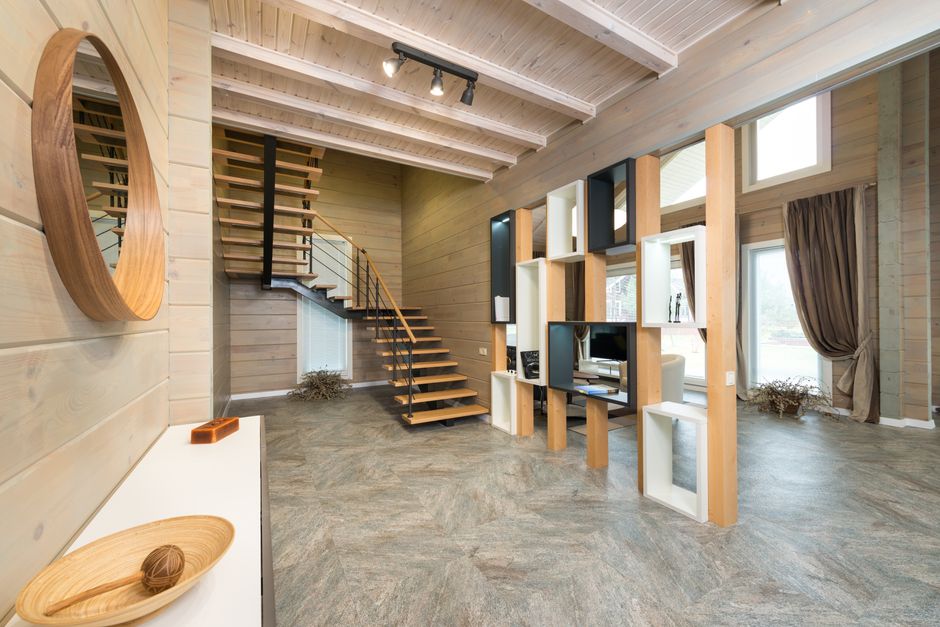
Comparing Wall Shelf Materials and Styles
When it comes to choosing a wall shelf for your co-living space, the material and style can make all the difference. You’ve already considered the measurements and layout of your space, as well as the key features to look for in a wall shelf. Now, let’s dive into the various options available.
Material Matters
The material of your wall shelf can greatly impact its durability, aesthetic, and overall functionality. Here are three popular materials to consider:
- Wooden wall shelves: warm, natural look, and can be stained or painted to match your decor
- Metal wall shelves: sleek, modern appearance, and often more durable than wood
- Glass wall shelves: elegant, sophisticated look, and can add a touch of luxury to your space
Each material has its pros and cons. To help you make an informed decision, here’s a comparison table:
| Material | Cost | Durability | Aesthetics |
|---|---|---|---|
| Wood | Moderate | High | Warm, natural |
| Metal | Low-Moderate | High | Sleek, modern |
| Glass | High | Medium | Elegant, sophisticated |
For a wall shelf for co-living space, you’ll want to consider the style and material that best fits your needs. If you’re looking for a more minimalist approach, a metal or glass shelf might be the way to go. On the other hand, if you prefer a cozier atmosphere, a wooden shelf could be the perfect choice.
To explore more space-saving solutions, check out our guide on display ladders in India or learn about the benefits of folding desks in Noida.
| Material/Style | Weight Capacity | Durability | Maintenance | Aesthetics | Price Range |
|---|---|---|---|---|---|
| Wooden Wall Shelf | 20-50 kg | High | Moderate (requires occasional polishing) | Classic, traditional look | $50-$200 |
| Metal Wall Shelf | 30-70 kg | Very High | Low (easy to clean, rust-resistant) | Modern, industrial look | $30-$150 |
| Glass Wall Shelf | 10-30 kg | Moderate | High (requires frequent cleaning) | Sleek, contemporary look | $40-$180 |
| MDF Wall Shelf | 15-40 kg | Medium | Moderate (requires occasional dusting) | Budget-friendly, versatile look | $20-$100 |
This comparison table provides a clear and concise overview of different wall shelf materials and styles, helping readers make an informed decision when choosing a wall shelf for their co-living space. The criteria used in this table include weight capacity, durability, maintenance, aesthetics, and price range, which are all relevant factors to consider when selecting a wall shelf. The table is balanced and fair, presenting the characteristics of each material/style in a neutral and objective manner.
Incorporating Japanese Minimalism into Your Co-Living Space
Japanese minimalism is more than just a design aesthetic; it’s a way of living that values simplicity, calmness, and functionality. When it comes to your co-living space, incorporating this philosophy can be as simple as choosing the right wall shelf. A well-designed wall shelf can help maintain a clutter-free environment, promote a sense of calm, and add a touch of richness to your modern living space.
The Principles of Japanese Minimalism
Japanese minimalism is rooted in the concept of ‘Ma,’ which refers to the space between things. It’s about embracing the void and using it to create a sense of balance and harmony. In the context of your co-living space, this means creating a clean and uncluttered environment that allows you to focus on what’s truly important.
Hanamori’s Japanese-inspired wall shelves embody this principle by providing a simple, functional, and beautiful storage solution. Their designs are carefully crafted to bring a sense of calm and serenity to your living space, making them the perfect addition to your co-living space.
Benefits of a Clutter-Free Environment
- A clutter-free environment can help reduce stress and anxiety
- It can improve your focus and productivity
- A minimalist space can also make it easier to clean and maintain
By choosing a wall shelf that embodies Japanese minimalism, you’re not just adding a piece of furniture to your co-living space – you’re creating a more harmonious and balanced living environment. For those looking to explore more space-saving solutions, our guide on display ladders in Delhi offers valuable insights into maximizing your storage space while maintaining a minimalist aesthetic.
With Hanamori’s wall shelves for co-living spaces, you can enjoy a more serene and organized living environment that reflects the principles of Japanese minimalism.
Tips for Installing and Maintaining Your Wall Shelf
Installing Your Wall Shelf for Co-Living Space: A Step-by-Step Guide
Now that you’ve chosen the perfect wall shelf for your co-living space, it’s time to install it. Don’t worry, we’ve got you covered. Here’s a simple step-by-step guide to help you get started.
- Measure the wall: Before you begin, measure the width of your wall shelf and mark the spot where you want to install it.
- Check for studs: Use a stud finder to locate the wall studs. This is crucial for securing your wall shelf.
- Drill pilot holes: Drill pilot holes into the wall at the marked spots, making sure they’re level and aligned.
- Install wall anchors: Insert wall anchors into the pilot holes. This will provide extra support for your wall shelf.
- Mount the shelf: Place the wall shelf onto the wall anchors, ensuring it’s level and secure.
By following these simple steps, you’ll have your wall shelf installed in no time.
Maintaining Your Wall Shelf
To keep your wall shelf looking its best, regular maintenance is key. Here are some tips:
- Dust regularly: Use a soft cloth to dust your wall shelf, removing any debris or dust that may accumulate.
- Avoid overloading: Be mindful of the weight capacity of your wall shelf and avoid overloading it.
- Clean spills immediately: If you spill something on your wall shelf, clean it up immediately to prevent damage.
For a hassle-free experience, we offer quick and secure payment options and super fast shipping on all our products, including our display ladders and other minimalist furniture solutions.
| Maintenance Task | Frequency |
|---|---|
| Dusting | Weekly |
| Cleaning | As needed |
| Checking weight capacity | Monthly |
By following these tips and maintaining your wall shelf regularly, you’ll be able to enjoy a clutter-free and calming environment in your co-living space.
Conclusion: Finding the Perfect Wall Shelf for Your Co-Living Space
Finding the perfect wall shelf for your co-living space can be a daunting task, but with the right guidance, you’re well on your way to creating a harmonious and functional living environment. We’ve covered the essential elements to consider, from measuring your space to choosing the right material and style. Now, let’s summarize the key takeaways to help you make an informed decision.
Key Considerations for Your Co-Living Space Wall Shelf
- Measure your space carefully to determine the ideal shelf size and placement.
- Choose a material that suits your needs, such as wooden, metal, or glass.
- Consider the durability, weight capacity, and adjustability of the shelf.
- Opt for a posture-friendly design that promotes overall well-being.
- Embrace Japanese minimalism to create a clutter-free and calming environment.
Hanamori’s foldable and posture-friendly furniture solutions are designed to simplify your life and bring a sense of calm to your co-living space. Our wall shelves are crafted with Japanese balance and human care in mind, making them the perfect addition to your home. Ready to find your perfect wall shelf? Visit the Hanamori shop for a seamless shopping experience and discover how our space-saving solutions can transform your living space.
Frequently Asked Questions
What is the main challenge of furnishing a co-living space?
The main challenge of furnishing a co-living space is maximizing space without creating clutter, as these shared living environments often have limited room for multiple functions. A wall shelf for co-living space can be a great solution to this problem. By providing storage and display space, it helps keep the floor area clear.
How can a wall shelf contribute to a co-living space?
A wall shelf can contribute to a co-living space by providing storage and display space without taking up valuable floor area, thus helping to maintain a sense of openness and minimizing clutter. This is especially important in small rooms that serve multiple purposes. Hanamori’s foldable furniture, including wall shelves, is designed with this challenge in mind.
Why is Japanese minimalism important in co-living space design?
Japanese minimalism is important in co-living space design because it emphasizes simplicity and functionality, which are crucial for maximizing space efficiency. Hanamori’s furniture, inspired by Japanese minimalism, offers a unique approach to simplifying life while bringing a sense of calm and richness to modern living.
What type of furniture is best suited for co-living spaces with limited room?
Furniture that is functional, space-saving, and does not overwhelm the space is best suited for co-living spaces with limited room. Foldable furniture, such as that offered by Hanamori, is particularly well-suited as it combines the needs of functionality with the ability to save space when not in use.
Can a wall shelf for co-living space help with organization?
Yes, a wall shelf for co-living space can significantly help with organization by providing a dedicated place for storing and displaying items, thereby keeping the floor and other areas clutter-free. This is essential for maintaining a sense of calm and efficiency in a shared living environment.
How does Hanamori’s approach to furniture design address the needs of co-living spaces?
Hanamori’s approach to furniture design addresses the needs of co-living spaces by combining Japanese balance and human care to create posture-friendly and space-saving solutions. Their foldable furniture is designed to bring a sense of calm and richness to modern living while simplifying life, making it ideal for co-living environments.
What benefits does a foldable wall shelf offer for co-living spaces?
A foldable wall shelf offers the benefits of space-saving, ease of assembly and disassembly, and the ability to reconfigure the space as needed. This flexibility is particularly valuable in co-living spaces where residents may change or have varying needs over time.
Are Hanamori’s wall shelves suitable for small co-living spaces?
Yes, Hanamori’s wall shelves are suitable for small co-living spaces because they are designed with space efficiency in mind. They provide necessary storage and display space without taking up valuable floor area, making them an ideal solution for maximizing space in small rooms.