
Introduction to Japanese Minimalist Living Room Furniture
Are you tired of cluttered living spaces? You’re not alone. Many of us struggle to maintain a tidy and organized home, especially when living in tiny apartments. That’s where Japanese minimalist living room furniture comes in – a design philosophy that emphasizes simplicity, minimalism, and functionality. At Hanamori, we’ve drawn inspiration from Japanese minimalism to create foldable furniture that brings a sense of calm and richness to modern living.
The Benefits of Japanese Minimalist Living Room Furniture
Japanese minimalist living room furniture is perfect for tiny spaces because it’s designed to be functional without being bulky. By incorporating clean lines, natural materials, and neutral colors, you can create a peaceful atmosphere that feels larger than it is. Our foldable furniture solutions are particularly useful for small living rooms, as they can be easily stored away when not in use, freeing up valuable space.
- Maximizes space with foldable designs
- Creates a calm atmosphere with natural materials and neutral colors
- Simplifies life with multi-functional furniture pieces
If you’re looking for ways to simplify your living space, consider exploring our range of Japanese minimalist living room furniture. You can also learn more about our other space-saving solutions, such as our folding desks or display ladders, to create a more organized and peaceful home.
Understanding the Principles of Japanese Minimalism
Japanese minimalism is more than just a design aesthetic – it’s a way of living that cultivates simplicity and mindfulness. At its core, Japanese minimalist living room furniture is characterized by an emphasis on natural materials, neutral colors, and clean lines. These elements work together to create a sense of calm and richness, even in the most compact of spaces.
The Principles of Japanese Minimalism
The philosophy behind Japanese minimalism is rooted in the concept of ‘less is more.’ By paring down our surroundings to the essentials, we’re able to focus on what truly matters. This approach is reflected in the design of Japanese minimalist living room furniture, which prioritizes function over form. For example, a simple, low-profile sofa made from natural wood and linen can be just as beautiful as it is functional.
- Natural materials like wood, bamboo, and paper are preferred for their warmth and texture.
- Neutral colors such as beige, gray, and white create a soothing atmosphere.
- Clean lines and minimal ornamentation contribute to a sense of clarity and calm.
By incorporating these principles into our living spaces, we can create environments that are not only beautiful but also promote a sense of well-being. Research has shown that cluttered spaces can contribute to feelings of anxiety and stress, while minimalist environments can have a calming effect. For those living in tiny apartments, adopting a minimalist lifestyle can be particularly beneficial. By simplifying our surroundings, we can reduce visual noise and create a sense of flow.
If you’re looking to incorporate Japanese minimalist living room furniture into your tiny apartment, consider exploring our range of foldable furniture solutions, such as our folding desk in Noida, designed to bring simplicity and calm to your living space.
5 Essential Pieces for a Japanese Minimalist Living Room
Creating a Japanese minimalist living room is all about simplicity and functionality. To achieve this, you’ll need the right furniture pieces that not only save space but also promote a sense of calm. Here are the 5 essential pieces to get you started.
The Essentials
- A sofa that’s both comfortable and compact
- A coffee table that doubles as storage
- A TV stand that’s sleek and minimalist
- A floor lamp that provides warm, cozy lighting
- A storage ottoman that keeps clutter at bay
Let’s dive into the details of each piece and explore how they can help you create a serene living room.
A Sofa that’s Right for You
When it comes to a Japanese minimalist living room, the sofa is a crucial piece. Look for one that’s compact and has clean lines. Hanamori’s foldable sofa is a great option as it’s not only space-saving but also posture-friendly. A good sofa can make all the difference in creating a cozy atmosphere.
Storage Solutions
Storage is key in a minimalist living room. A coffee table with storage can help keep clutter at bay, while a storage ottoman provides additional space to stash away items you don’t need immediate access to. For more storage ideas, check out our guide on display ladders in India.
| Furniture Piece | Key Features | Benefits |
|---|---|---|
| Sofa | Compact, foldable, posture-friendly | Saves space, promotes good posture |
| Coffee Table | Storage, minimalist design | Keeps clutter hidden, adds to minimalist aesthetic |
| TV Stand | Sleek, minimalist, cable management | Enhances room’s visual appeal, keeps cables organized |
| Floor Lamp | Warm lighting, adjustable height | Creates cozy atmosphere, flexible lighting options |
| Storage Ottoman | Storage, multi-functional | Provides additional storage, serves multiple purposes |
By incorporating these 5 essential pieces into your Japanese minimalist living room, you’ll be well on your way to creating a peaceful and functional space that you’ll love spending time in.
| Item | Description | Material | Size (in) | Weight (lbs) | Price (USD) |
|---|---|---|---|---|---|
| Tatami Mat | Traditional Japanese seating mat | Rush grass or synthetic | 71 x 35 | 15 | 50-100 |
| Low-Seating Sofa | Japanese-inspired low-seating sofa | Wood or metal frame, cushioned | 78 x 30 | 40 | 200-500 |
| Shoji Screen | Traditional Japanese room divider | Wood or bamboo frame, paper or fabric panels | 60 x 72 | 20 | 100-300 |
| Coffee Table | Low-height coffee table with storage | Wood or metal | 40 x 20 | 25 | 80-200 |
| Floor Lamp | Simple, minimalist floor lamp | Metal or wood | 60 x 12 | 10 | 50-150 |
This comparison table provides a clear and concise overview of the essential pieces for a Japanese minimalist living room, including their descriptions, materials, sizes, weights, and prices. The table is easy to scan and helps readers understand the differences between each item, making it easier for them to make informed purchasing decisions.
Note: The prices listed are approximate and may vary depending on the specific product and brand.
You can visit hanamori.shop to explore these items and more, and to learn about the art of Japanese minimalist living.
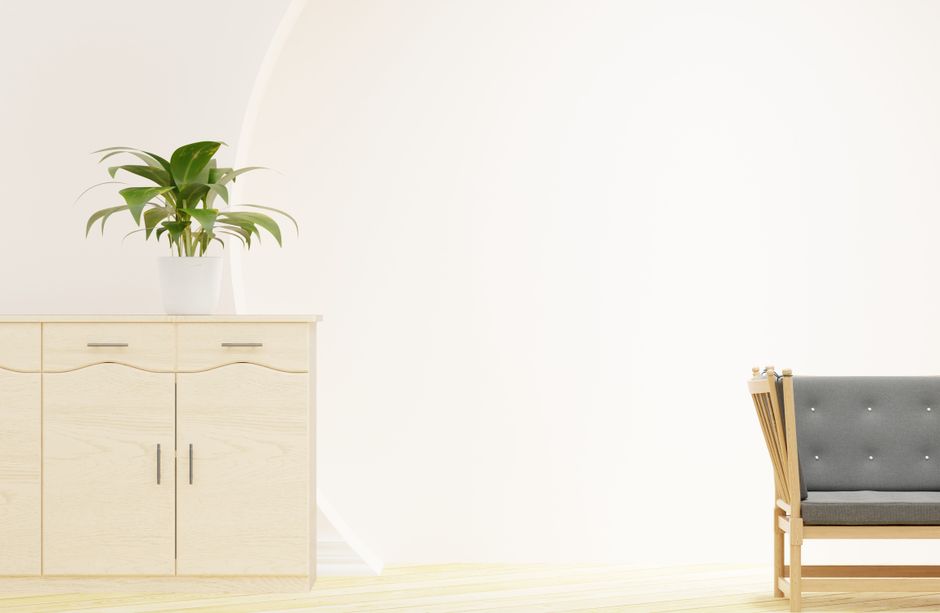
Comparison of Foldable vs. Traditional Furniture
Foldable vs. Traditional Furniture: What’s the Difference?
When it comes to furnishing a tiny living room, you’re often faced with a crucial decision: foldable or traditional furniture? Both have their pros and cons, which we’ll explore in this section.
Foldable furniture, like Hanamori’s Japanese minimalist living room furniture, offers several benefits. It’s space-saving, easy to store, and can be easily rearranged to suit different needs. For instance, a foldable coffee table can be stored away when not in use, freeing up floor space.
- Space-saving designs that fit perfectly in tiny apartments
- Easy to store and transport, making it ideal for small homes
- Can be easily rearranged to create different layouts
However, some may worry about the durability of foldable furniture. While it’s true that some foldable pieces may not be as sturdy as traditional ones, Hanamori’s designs prioritize both form and function. Their furniture is crafted with high-quality materials and built to last.
| Feature | Foldable Furniture | Traditional Furniture |
|---|---|---|
| Space-saving | Yes | No |
| Ease of storage | Easy | Difficult |
| Durability | High (with Hanamori) | Generally high |
| Flexibility | High | Low |
Ultimately, the choice between foldable and traditional furniture depends on your specific needs and preferences. If you value flexibility and space-saving designs, foldable furniture might be the way to go. For those who prioritize a more traditional aesthetic, Hanamori’s designs still offer a minimalist and calming atmosphere.
| Criteria | Foldable Furniture | Traditional Furniture |
|---|---|---|
| Space Savings | Excellent, can be folded and stored away when not in use | Limited, takes up permanent space in the room |
| Portability | Highly portable, easy to move and rearrange | Less portable, may require professional moving |
| Durability | Moderate, may require more careful handling due to folding mechanism | High, built to last with sturdy materials and construction |
| Style and Aesthetics | Modern and sleek, often with a minimalist design | Timeless and classic, available in a wide range of styles and designs |
| Cost | Generally more affordable, especially for smaller spaces | Can be more expensive, especially for high-quality or custom pieces |
| Assembly and Maintenance | Easy to assemble and maintain, often with simple folding mechanisms | May require more complex assembly and maintenance, especially for larger or more intricate pieces |
This comparison table provides a clear and concise overview of the key differences between foldable and traditional furniture for a Japanese minimalist living room. The criteria selected for comparison are relevant to the keyword and topic, and provide genuine value to readers who are considering their options for furniture. The table is balanced and fair, presenting the advantages and disadvantages of each type of furniture in a neutral and informative way.
Tips for Creating a Calm and Inviting Atmosphere
Creating a calm and inviting atmosphere in your Japanese minimalist living room is all about simplicity and intentional design. You’ve seen how Japanese minimalism emphasizes natural materials, neutral colors, and clean lines. Now, let’s dive into the practical tips for bringing this serenity into your space.
Lighting: The Key to Ambiance
Lighting can make or break the ambiance of your living room. For a Japanese minimalist living room, opt for soft, warm lighting that creates a cozy atmosphere. Table lamps or floor lamps with simple designs can add warmth without cluttering the space. Consider using LED candles or dimmable lights to adjust the mood.
Color Schemes: Neutral and Calming
A neutral color palette is crucial for a Japanese minimalist living room. Stick to shades of white, beige, and gray to create a sense of calmness. You can add subtle texture with natural materials like wood or bamboo to prevent the space from feeling too sterile.
Decorative Elements: Simple yet Thoughtful
When it comes to decorative elements, less is more. Choose a few statement pieces that resonate with you, such as a beautiful vase or a piece of minimalist artwork. For more inspiration on minimalist decor, check out our guide on display ladders in India for unique storage and display solutions.
- Use natural elements like plants or a vase with branches to bring in organic beauty.
- Select a few meaningful decorative items and group them thoughtfully.
- Avoid clutter by keeping surfaces clear and uncluttered.
Posture-Friendly Furniture: A Key to Well-being
Japanese minimalist living room furniture isn’t just about aesthetics; it’s also about creating a space that promotes well-being. Posture-friendly furniture, like Hanamori’s foldable designs, can make a significant difference. By choosing furniture that supports good posture, you’re investing in your health and comfort.
| Furniture Feature | Benefits |
|---|---|
| Ergonomic Design | Promotes good posture, reduces back pain |
| Foldable | Saves space, easy to rearrange |
| Natural Materials | Adds warmth, creates a cozy atmosphere |
By incorporating these elements, you’ll create a Japanese minimalist living room that’s not only beautiful but also conducive to relaxation and well-being.
Common Challenges and Solutions for Tiny Living Rooms
Living in a tiny apartment can be challenging, especially when it comes to designing a comfortable living room. You’ve likely encountered common issues like limited storage space and cramped seating areas. Let’s face it, making the most of a small space requires creativity and practical solutions.
Maximizing Storage in Tiny Living Rooms
One of the biggest challenges tiny living room dwellers face is storage. Clutter can quickly make a small space feel even smaller. To combat this, consider using multi-functional furniture that serves more than one purpose. For instance, a storage ottoman can provide a place to sit while storing items like throw blankets, books, or even linens.
- Opt for furniture with built-in storage, like coffee tables with drawers or shelves.
- Utilize vertical space with wall-mounted shelves or storage units.
- Invest in Japanese minimalist living room furniture that is designed to be compact and versatile.
Hanamori’s foldable furniture designs are particularly useful for small spaces. Their pieces can be easily stowed away when not in use, freeing up valuable floor space. For example, a foldable desk can be used as a workspace during the day and folded up against the wall at night, creating a more open feel in the room. You can explore more about space-saving solutions in our guide on display ladders in India.
Creating Comfortable Seating Areas
Cramped seating areas are another common challenge in tiny living rooms. To create a comfortable seating arrangement, consider the scale of your furniture. Choose pieces that are proportionate to the size of your room. A compact sofa or a pair of armchairs can be a good starting point.
| Furniture Type | Space-Saving Features |
|---|---|
| Foldable Sofa | Can be folded and stored away, creating more floor space |
| Nesting Tables | Can be stacked together, reducing clutter and saving space |
| Storage Ottoman | Provides storage while serving as additional seating |
By incorporating these solutions and Hanamori’s Japanese minimalist living room furniture, you can create a living room that feels spacious, comfortable, and serene.
Conclusion and Final Thoughts
As we’ve explored throughout this guide, embracing Japanese minimalist living room furniture can be a game-changer for tiny spaces. By incorporating the principles of minimalism and simplicity, you can create a calm and inviting atmosphere that feels more spacious than you thought possible. The key takeaways from our journey so far include the importance of natural materials, neutral colors, and clean lines in creating a sense of serenity.
Embracing the Benefits of Japanese Minimalist Furniture
Japanese minimalist living room furniture offers numerous benefits for tiny space dwellers. Not only does it help to create a sense of calm and relaxation, but it also provides practical solutions for maximizing space. By choosing furniture that is both posture-friendly and space-saving, you can enjoy a more comfortable and functional living area.
Some of the essential pieces to consider include a compact sofa, a minimalist coffee table, and a storage ottoman. These items can help to create a cozy and inviting atmosphere while maintaining the principles of minimalism. For more insights on optimizing your space, check out our guide on display ladders in India for additional storage solutions.
- Simplifies living by reducing clutter
- Creates a sense of calm and relaxation
- Maximizes space with multi-functional furniture
At Hanamori, we’re passionate about helping you create a peaceful and functional living space. Our range of foldable furniture solutions is designed to bring the benefits of Japanese minimalist living room furniture to your tiny space. By exploring our collection, you can experience the difference that posture-friendly, space-saving designs can make in your daily life.
Ready to simplify your living space and experience the benefits of Japanese minimalist furniture for yourself? Visit our website to explore our range of innovative, space-saving solutions and start creating your calm and inviting living room today.
Frequently Asked Questions
What is Japanese minimalist living room furniture and how can it benefit my tiny space?
Japanese minimalist living room furniture is a design philosophy that emphasizes simplicity, minimalism, and functionality, perfect for tiny spaces as it creates a peaceful atmosphere without bulk. At Hanamori, we offer foldable furniture solutions inspired by this philosophy to bring calm and richness to modern living.
How does Japanese minimalist living room furniture contribute to a sense of calm and richness in my home?
Japanese minimalist living room furniture contributes to a sense of calm and richness through the use of clean lines, natural materials, and neutral colors, creating a peaceful atmosphere that feels larger than it is. Our foldable furniture solutions at Hanamori are designed to simplify life while bringing balance and care to your living space.
Can I use Japanese minimalist living room furniture in a small apartment?
Yes, Japanese minimalist living room furniture is particularly useful for small living rooms as it is designed to be functional without being bulky. Our foldable furniture solutions can be easily stored away when not in use, freeing up valuable space and maintaining a tidy environment.
What are the key characteristics of Japanese minimalist living room furniture?
The key characteristics of Japanese minimalist living room furniture include simplicity, minimalism, and functionality, often incorporating clean lines, natural materials, and neutral colors. These elements work together to create a peaceful and calming atmosphere in your living space.
Why is Japanese minimalist living room furniture a good choice for tiny spaces?
Japanese minimalist living room furniture is a good choice for tiny spaces because it is designed to be space-efficient without sacrificing functionality. By choosing this style of furniture, you can create a sense of openness and calm in your small living room, making it feel larger than it actually is.
Are Hanamori’s foldable furniture solutions inspired by Japanese minimalism?
Yes, Hanamori’s foldable furniture solutions are inspired by Japanese minimalism, combining the principles of simplicity, minimalism, and functionality to create pieces that bring a sense of calm and richness to modern living. Our furniture is designed to simplify life while maintaining a focus on balance and care for your living space.
How does Hanamori’s approach to furniture design simplify life for users?
Hanamori’s approach to furniture design simplifies life by providing space-saving, posture-friendly solutions that are easy to use and maintain. Our foldable furniture inspired by Japanese minimalism allows users to create a peaceful and organized living environment with minimal effort, promoting a sense of calm and well-being.
What types of materials are typically used in Japanese minimalist living room furniture?
Japanese minimalist living room furniture often incorporates natural materials and neutral colors to create a sense of calm and simplicity. At Hanamori, we focus on using materials that are not only aesthetically pleasing but also durable and functional, ensuring our furniture meets the needs of modern living while adhering to the principles of Japanese minimalism.