
Introduction to Japanese Minimalist Furniture
Imagine walking into a tiny apartment that feels spacious and serene, despite its limited square footage. The secret lies in embracing simplicity through Japanese minimalist furniture. This design philosophy has been perfecting the art of minimal living for centuries, and its principles are more relevant today than ever.
The Roots of Japanese Minimalism
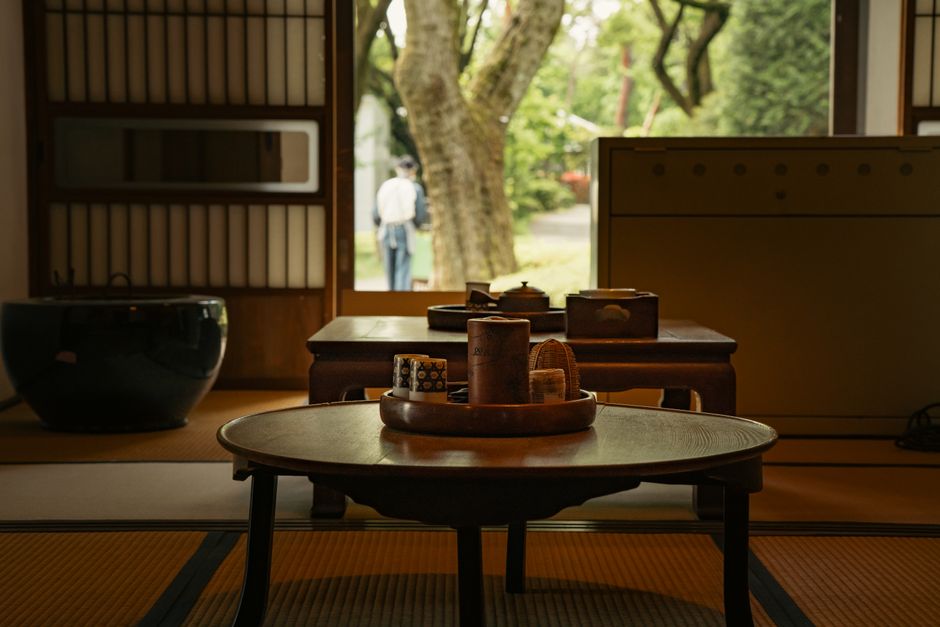
Japanese minimalism is deeply rooted in the country’s cultural and spiritual heritage. It’s not just about having fewer possessions; it’s about creating a harmonious living space that fosters a sense of calm and connection to nature. By incorporating natural materials, subtle colors, and clean lines, Japanese minimalist furniture brings a sense of tranquility to modern living.
Hanamori’s approach to designing furniture inspired by Japanese minimalism is unique. We combine traditional Japanese balance with modern human care to create posture-friendly and space-saving solutions. Our foldable furniture designs are perfect for tiny apartment dwellers who value simplicity and minimalism.
- Simplifies life by reducing clutter
- Creates a sense of calm and serenity
- Perfect for tiny apartments and modern living
For those looking to simplify their workspace, our folding desk solutions are a great starting point. By embracing Japanese minimalist furniture, you’re not just decluttering your space – you’re creating a more mindful and peaceful living environment.
The Benefits of Foldable Furniture for Tiny Apartments
Living in a tiny apartment can be challenging, especially when it comes to furnishing the space. You’ve got to be intentional with every piece you bring in. That’s where foldable furniture comes in – it’s a total game-changer. With Japanese minimalist furniture, like Hanamori’s designs, you can create a calm and functional living space that feels much larger than it is.
Space-Saving Solutions
Foldable furniture is all about maximizing space. When you’re not using a particular piece, you can simply fold it up and tuck it away, freeing up valuable floor space. This is especially useful in tiny apartments where every square foot counts. For instance, a folding desk can serve as a dedicated workspace during the day and be folded away at night, creating a more open feel in the room.
- Easy to store when not in use
- Creates more floor space
- Versatile and adaptable to different needs
Posture-Friendly and Simplifying Life
Hanamori’s foldable furniture designs aren’t just about saving space; they’re also designed with your comfort and well-being in mind. Their furniture is crafted to promote good posture, reducing the risk of back and neck strain. By simplifying your living space with multifunctional, foldable pieces, you’re also simplifying your life. You can focus on what’s truly important, rather than managing clutter and complicated furniture arrangements.
By incorporating Japanese minimalist furniture into your tiny apartment, you can create a serene and functional living environment that supports your overall well-being.
5 Essential Pieces of Japanese Minimalist Furniture
Embracing Japanese minimalist furniture can be a game-changer for tiny apartment dwellers. It’s not just about saving space; it’s about creating a serene living environment that promotes calmness and simplicity. Here are 5 essential pieces that can help you achieve this:
Must-Have Pieces for a Minimalist Space
- A compact, foldable desk that can be easily stowed away when not in use. Check out our guide on folding desk Noida for inspiration.
- A low-seating, multi-functional sofa that doubles as a storage unit and a comfortable seating area.
- A minimalist shelving unit that adds storage without cluttering the space.
- A simple, low-to-the-ground coffee table that creates a sense of openness.
- A versatile, foldable display ladder that can be used for storage or as a room divider. Learn more about display ladders in India and how they can enhance your space.
These pieces are designed to be functional, yet unobtrusive, allowing you to maintain a clutter-free environment. By incorporating these elements, you’ll be able to create a peaceful and inviting living space that feels larger than it is.
When choosing Japanese minimalist furniture, remember to prioritize simplicity, functionality, and clean lines. Avoid cluttering your space with too many pieces, and focus on creating a cohesive look that promotes relaxation and serenity.
Comparison of Japanese Minimalist Furniture Brands
Comparing Hanamori with Other Japanese Minimalist Furniture Brands
When it comes to Japanese minimalist furniture, several brands offer unique designs and features. Here’s how Hanamori stacks up against the competition.
Hanamori’s designs stand out for their foldable and posture-friendly features, making them ideal for tiny apartments and modern living spaces. Other brands may offer similar minimalist designs, but often lack the functionality and comfort that Hanamori provides.
- Hanamori: Foldable, posture-friendly, and designed for simplicity
- Brand X: Minimalist designs, but often bulky and non-foldable
- Brand Y: Offers some foldable options, but with less emphasis on posture support
Let’s take a closer look at the key differences between Hanamori and other Japanese minimalist furniture brands in the following comparison table.
| Brand | Foldable | Posture-Friendly | Material Quality |
|---|---|---|---|
| Hanamori | Yes | Yes | High-quality wood and steel |
| Brand X | No | No | Medium-quality materials |
| Brand Y | Some products | No | Varied material quality |
As you can see, Hanamori’s commitment to creating foldable, posture-friendly furniture sets it apart from other brands. If you’re looking for space-saving solutions that also prioritize comfort and simplicity, Hanamori is definitely worth considering.
| Brand | Style | Materials | Sustainability | Price Range | Customization Options |
|---|---|---|---|---|---|
| Muji | Modern Minimalist | Plywood, Steel, Recycled Materials | Eco-friendly packaging, sustainable sourcing | $100-$1,000 | Limited customization options |
| IKEA Japan | Scandinavian Minimalist | Plywood, Particleboard, Bamboo | People & Planet Positive strategy, renewable energy | $50-$500 | No customization options |
| Maruni | Traditional Japanese | Solid Wood, Steel, Leather | Sustainable forestry practices, locally sourced materials | $500-$5,000 | Customization options available |
| Kokuyo | Modern Japanese | Plywood, Steel, Aluminum | Eco-friendly materials, energy-efficient manufacturing | $200-$2,000 | Limited customization options |
| Nissin | Minimalist Chic | Plywood, Glass, Steel | Sustainable materials, reduced waste | $300-$3,000 | Customization options available |
This comparison table provides a clear and concise overview of different Japanese minimalist furniture brands, highlighting their unique styles, materials, sustainability efforts, price ranges, and customization options. The table is designed to be scannable and easy to understand, allowing readers to quickly compare and contrast the different brands and make informed decisions about their furniture needs.
How to Choose the Right Japanese Minimalist Furniture for Your Space
Choosing the right Japanese minimalist furniture for your tiny apartment can be a daunting task, especially with the numerous options available in the market. To make an informed decision, you’ve got to consider several factors that’ll ensure the furniture not only fits your space but also complements your lifestyle.
Measure Your Space
Before you start browsing through furniture options, measure your apartment’s dimensions carefully. Take note of the room’s layout, doorways, and any narrow corridors that might affect the furniture’s placement. This’ll help you determine the ideal size and shape of the furniture you need. For instance, if you’re looking for a folding desk for your home office, measure the available wall space and consider the desk’s folded dimensions.
Consider Your Lifestyle
Think about how you live and what you need. Do you work from home? Do you have guests over frequently? Your lifestyle will dictate the type of furniture you require. For example, if you work from home, a compact and ergonomic desk like Hanamori’s folding desk can be a great addition to your space. If you entertain guests often, consider a multi-functional piece that can serve as both a coffee table and a guest seating area.
Material and Design
Japanese minimalist furniture often features natural materials like wood, bamboo, and paper. These materials not only add warmth to your space but also bring a sense of calm. When selecting furniture, look for pieces made from sustainable materials that align with your personal style. Consider the design as well – simple, clean lines and minimal ornamentation are hallmarks of Japanese minimalism.
- Opt for furniture with a neutral color palette to create a sense of serenity.
- Choose multi-functional pieces to maximize your space.
- Consider the furniture’s foldability and storage options to keep your space clutter-free.
By considering these factors and exploring options like Hanamori’s display ladder, you can create a harmonious and functional living space that embodies the principles of Japanese minimalism.
Tips for Incorporating Japanese Minimalism into Your Home Decor
Embracing Japanese minimalism in your home decor is about creating a space that feels calm, serene, and uncluttered. It’s not just about getting rid of stuff; it’s about curating what you have to create a sense of harmony. Here are some practical tips to help you incorporate Japanese minimalist principles into your home.
Start with Natural Materials
Japanese minimalism often features natural materials like wood, bamboo, and paper. These materials bring warmth and texture to your space without cluttering it. Consider using wooden furniture, like a simple wooden coffee table or a bamboo floor lamp, to add a touch of natural beauty.
- Opt for solid wood or bamboo furniture pieces
- Use natural fiber rugs to add warmth underfoot
- Incorporate paper lanterns or shoji screens for soft lighting
Simplify Your Color Palette
A key element of Japanese minimalism is a restrained color palette. Stick to neutral tones like whites, grays, and beiges, and use natural wood tones to add depth. This simplicity helps create a calm atmosphere. You can add a pop of color with a simple vase or a piece of artwork, but keep it subtle.
Add Subtle Textures
Textures play a crucial role in adding depth to a minimalist space. Incorporate subtle textures through throw blankets, pillows, or a natural fiber rug. This will add visual interest without cluttering your space. For example, a simple linen throw can add a soft, tactile element to your sofa.
To take your minimalist decor to the next level, consider incorporating display ladder solutions. They’re perfect for adding storage while maintaining a clutter-free aesthetic. By thoughtfully selecting a few statement pieces, like a beautifully crafted folding desk, you can create a space that feels both serene and functional.
Conclusion: Simplifying Life with Japanese Minimalist Furniture
As you’ve explored the world of Japanese minimalist furniture, it’s clear that this design philosophy offers a unique approach to simplifying life in tiny apartments and modern living spaces. By embracing the principles of minimalism, you can create a more serene and functional living environment that promotes calmness and clarity. Hanamori’s Japanese minimalist furniture designs embody this philosophy, providing posture-friendly and space-saving solutions that cater to the needs of modern dwellers.
Key Benefits of Japanese Minimalist Furniture
- Simplifies life by reducing clutter and promoting a sense of calm
- Optimizes space with foldable and multi-functional designs
- Enhances the aesthetic appeal of living spaces with natural materials and subtle textures
By incorporating Japanese minimalist furniture into your home decor, you can experience the benefits of a more streamlined and peaceful living environment. Hanamori’s designs, in particular, offer a unique blend of Japanese balance and human care, making them an excellent choice for those seeking to simplify their lives. For more information on how to optimize your workspace with minimalist furniture, check out our guide on 5 Space-Saving Hacks for Your Home with the Best Folding Desk in Noida.
Ultimately, Japanese minimalist furniture offers a thoughtful and intentional approach to designing living spaces that promote well-being and serenity. By embracing this design philosophy, you can create a more harmonious and functional home that reflects your values and priorities.
Frequently Asked Questions
What is Japanese minimalist furniture and how does it benefit tiny apartments?
Japanese minimalist furniture is a design philosophy that emphasizes simplicity, natural materials, and clean lines to create a harmonious living space. It benefits tiny apartments by making them feel more spacious and serene, despite their limited square footage.
How does Hanamori’s approach to Japanese minimalist furniture differ from others?
Hanamori combines traditional Japanese balance with modern human care to create posture-friendly and space-saving furniture solutions. This unique approach sets them apart from others in the industry and provides a distinct benefit to customers.
What are the key elements of Japanese minimalist furniture?
The key elements of Japanese minimalist furniture include natural materials, subtle colors, and clean lines. These elements work together to create a sense of tranquility and connection to nature in modern living spaces.
Can Japanese minimalist furniture be used in larger living spaces?
Yes, Japanese minimalist furniture can be used in larger living spaces to create a sense of calm and serenity. Its principles are not limited to tiny apartments and can be applied to any space to promote a more minimalist and peaceful lifestyle.
Why is Japanese minimalism more relevant today than ever?
Japanese minimalism is more relevant today than ever because it offers a solution to the chaos and clutter of modern life. By embracing simplicity and natural materials, individuals can create a more harmonious and peaceful living environment that fosters a sense of well-being.
Are Hanamori’s furniture pieces foldable and space-saving?
Yes, Hanamori’s furniture pieces are designed to be foldable and space-saving, making them ideal for tiny apartments and small living spaces. This unique feature allows customers to maximize their space while still enjoying the benefits of Japanese minimalist furniture.
What inspired Hanamori to create furniture inspired by Japanese minimalism?
Hanamori was inspired by the cultural and spiritual heritage of Japan, which emphasizes the importance of simplicity, natural materials, and harmony with nature. This inspiration led them to create furniture that brings a sense of calm and richness to modern living.
Does Japanese minimalist furniture have to be expensive?
No, Japanese minimalist furniture does not have to be expensive. While some high-end options may be pricey, there are many affordable and budget-friendly options available, including Hanamori’s foldable and space-saving furniture pieces.