
Introduction to Space-Saving Strategies
Living in a cramped room can be challenging, especially when it comes to maximizing storage space. You’ve probably found yourself wondering how to fit all your belongings into a tiny apartment without making it feel cluttered. The good news is that there are effective space-saving strategies that can help. One of the most crucial elements in achieving a clutter-free and organized living space is incorporating the right furniture pieces.
The Role of Floating Shelves in Maximizing Storage
Floating shelves are an excellent solution for cramped rooms as they provide additional storage without taking up valuable floor space. They’re perfect for displaying decorative items, storing books, or keeping kitchen utensils within easy reach. At Hanamori, we understand the importance of thoughtful furniture design in creating a sense of calm and richness in modern living spaces. Our approach to furniture design is inspired by Japanese minimalism, focusing on simplicity, and functionality.
When it comes to finding the best floating shelf for a cramped room, there are several factors to consider. You’ll want to think about the material, size, weight capacity, and style to ensure that the shelf meets your specific needs. In the following sections, we’ll explore the benefits of using floating shelves, key features to consider when choosing a shelf, and provide tips on how to style and maximize your floating shelf. For more information on space-saving furniture solutions, you can check out our guide on folding desk Noida.
- Maximize vertical space
- Keep floors clear
- Display decorative items
- Store essential items
By incorporating floating shelves into your space-saving strategy, you can create a more organized, clutter-free living environment that feels more spacious than it actually is.
Understanding the Benefits of Floating Shelves
When dealing with cramped rooms, every inch counts. That’s where floating shelves come in – a simple yet effective solution for maximizing storage space. By mounting shelves directly to the wall, you can keep your floors and surfaces clear, creating a sense of openness and freedom. Plus, floating shelves are incredibly versatile, suitable for displaying decorative items, storing books, or holding kitchen essentials.
The Benefits of Floating Shelves
So, what makes floating shelves so appealing? For starters, their space-saving design is a major advantage. By keeping items off the floor and countertops, you can create a more streamlined look and feel in your room. They’re also relatively easy to install, requiring just a few screws and some basic DIY skills. And, with a wide range of styles and materials available, you can choose a floating shelf that perfectly complements your decor.
- Space-saving design
- Easy installation
- Aesthetic appeal
- Versatility
At Hanamori, we understand the importance of creating a harmonious and functional living space. That’s why we design our furniture with a focus on minimalism and posture-friendly ergonomics. Our folding desk solutions are perfect for small spaces, allowing you to work comfortably without sacrificing valuable floor space. By combining floating shelves with our foldable furniture, you can create a serene and organized environment that promotes relaxation and productivity.
| Feature | Benefit |
|---|---|
| Space-saving design | Keeps floors and surfaces clear |
| Easy installation | Simple DIY process |
| Aesthetic appeal | Complements various decor styles |
By incorporating floating shelves into your space-saving strategy, you can enjoy a more organized, clutter-free living area. And, with Hanamori’s posture-friendly and foldable furniture solutions, you can enhance your overall living experience. Whether you’re dealing with a tiny apartment or a compact office, our products are designed to help you make the most of your space.
Top 5 Features to Consider When Choosing a Floating Shelf
Key Considerations for Choosing the Best Floating Shelf
When it comes to selecting the best floating shelf for a cramped room, there are several factors to consider. We’ve narrowed it down to the top 5 features that matter most. Let’s dive in.
- Material: The material of your floating shelf can greatly impact its durability and aesthetic appeal. Popular options include wood, metal, and glass. For instance, a wooden shelf can add warmth to your space, while a glass shelf can create a sense of openness.
- Size: Measure your wall space carefully to ensure the shelf fits comfortably. Consider the height and width of the shelf, as well as its depth. A shelf that’s too deep can overwhelm a small room.
- Weight Capacity: Be mindful of the weight capacity of your floating shelf. If you plan to display heavy items, you’ll need a shelf that can support the weight. Look for shelves with sturdy brackets or robust materials.
- Style: Your floating shelf should complement the existing decor in your room. Choose a style that fits with your aesthetic, whether it’s modern, traditional, or minimalist.
- Installation: Consider the ease of installation when selecting a floating shelf. Some shelves come with hidden brackets, while others require more visible hardware. Make sure you’re comfortable with the installation process or have a professional handy.
By considering these factors, you can find the best floating shelf for your cramped room. For more space-saving solutions, check out our guide on display ladders in India or explore our range of folding desks in Noida for a clutter-free workspace.
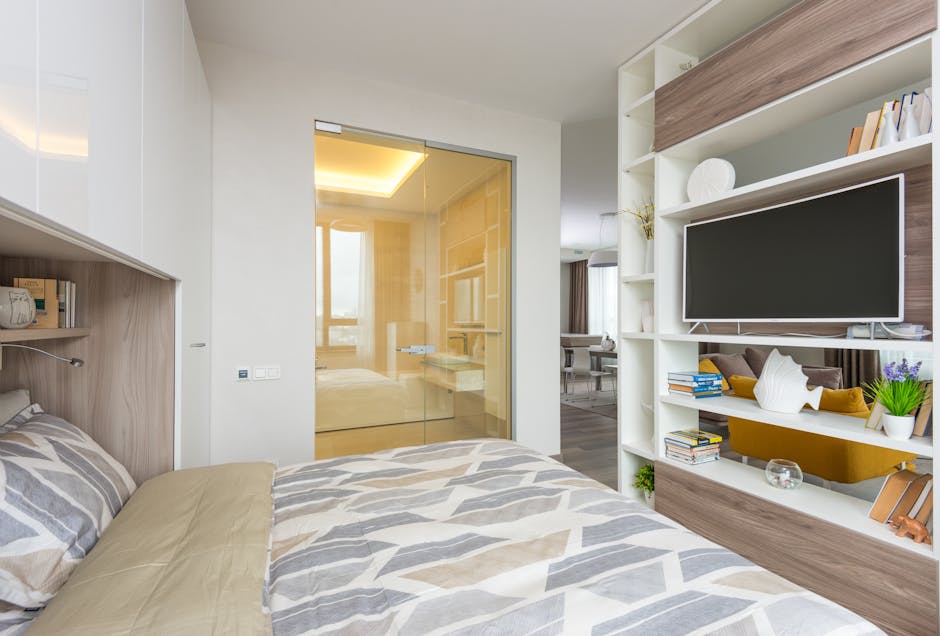
Comparison of Popular Floating Shelf Materials
Comparison of Popular Floating Shelf Materials
When it comes to choosing the best floating shelf for a cramped room, the material is a crucial factor. You’ve got several options, each with its pros and cons. Let’s break down the most popular materials used for floating shelves: wood, metal, and glass.
Wood is a classic choice, offering a warm, natural look that fits well with various decor styles. It’s also relatively easy to work with and can be stained or painted to match your room’s aesthetic. However, wood can be prone to scratches and may require periodic maintenance to keep it looking its best.
- Pros: warm appearance, easy to customize
- Cons: prone to scratches, requires maintenance
Metal floating shelves, on the other hand, are sleek and modern. They’re often made from durable materials like steel or aluminum, making them resistant to scratches and damage. Metal shelves are also easy to clean and maintain. However, they can give off a cold, industrial vibe if not styled properly.
- Pros: durable, easy to clean
- Cons: can look industrial, may show fingerprints
Glass shelves offer a sleek, sophisticated look that’s perfect for displaying decorative items. They’re also easy to clean and can make a room feel more spacious. However, glass can be prone to breakage, and glass shelves may require additional support to ensure they’re stable.
- Pros: sleek appearance, easy to clean
- Cons: prone to breakage, may require additional support
| Material | Durability | Maintenance | Aesthetic Appeal |
|---|---|---|---|
| Wood | Medium | Periodic staining/painting | Warm, natural |
| Metal | High | Easy to clean | Sleek, modern |
| Glass | Low-Medium | Easy to clean | Sleek, sophisticated |
Now, let’s be honest – the best floating shelf material for you will depend on your specific needs and preferences. If you’re looking for a best floating shelf for cramped room, consider a material that balances durability and aesthetic appeal. For more inspiration on space-saving solutions, check out our guide on display ladders in India or explore our collection of foldable furniture, like our folding desk Jaipur options.
| Material | Weight Capacity | Durability | Style Options | Budget Friendliness | Ease of Installation |
|---|---|---|---|---|---|
| Glass | 10-20 kg | High (resistant to scratches and cracks) | Modern, sleek designs | $$$ (high-end) | Difficult (requires professional help) |
| Wood | 20-30 kg | Medium (prone to scratches and cracks) | Traditional, rustic designs | $$ (mid-range) | Moderate (DIY possible with some expertise) |
| MDF | 10-20 kg | Low (prone to water damage and scratches) | Simple, minimalist designs | $ (budget-friendly) | Easy (DIY friendly) |
| Metal | 30-50 kg | High (resistant to scratches and corrosion) | Industrial, modern designs | $$$ (high-end) | Moderate (DIY possible with some expertise) |
This comparison table provides a clear and concise overview of the different materials used for floating shelves, including their weight capacity, durability, style options, budget friendliness, and ease of installation. The table is designed to help readers make an informed decision when choosing the best floating shelf for their cramped room, taking into account the specific needs and preferences of someone searching for this keyword.
Step-by-Step Guide to Installing a Floating Shelf
Getting Started with Floating Shelf Installation
Installing a floating shelf can be a straightforward process if you have the right tools and follow the manufacturer’s instructions. To begin, you’ll need to measure the wall where you plan to install the shelf, taking into account any obstructions like electrical outlets or windows. Make sure to choose a spot that’s level and secure.
Here’s a step-by-step guide to help you install your floating shelf:
- Measure the wall and mark the spot where you want to install the shelf, ensuring it’s level and aligned with your desired placement.
- Drill pilot holes into the wall at the marked spot, using a level to ensure they’re straight.
- Insert wall anchors into the pilot holes to provide additional support for the shelf.
- Attach the shelf mounting bracket to the wall using screws, making sure it’s secure and level.
- Place the floating shelf onto the mounting bracket, ensuring it’s properly seated and aligned.
- Tighten any screws or clips to secure the shelf in place.
When choosing the best floating shelf for your cramped room, consider the weight capacity and material durability. For instance, a display ladder or a wall-mounted shelf can be an excellent space-saving solution. Always follow the manufacturer’s instructions for specific installation requirements, and don’t hesitate to consult a professional if you’re unsure about any part of the process.
| Tool | Purpose |
|---|---|
| Level | Ensures the shelf is installed straight |
| Drill | Makes pilot holes for wall anchors |
| Wall anchors | Provides additional support for the shelf |
| Screws | Secures the shelf mounting bracket |
By following these steps and using the right tools, you’ll be able to enjoy your new floating shelf, maximizing your storage space while maintaining a clutter-free and organized living area.
Tips for Styling and Maximizing Your Floating Shelf
Styling Your Floating Shelf: Less is More
When it comes to styling your floating shelf, the key is to strike a balance between form and function. You want to create a visually appealing display that also keeps your belongings organized. Here’s the thing: a cluttered shelf can quickly make your space feel cramped and overwhelming. So, how do you achieve a harmonious balance?
Start by selecting a few statement pieces that reflect your personal style. This could be a beautiful vase, a decorative box, or a few favorite books. Group similar items together to create a sense of cohesion. For example, you might group your favorite books together or display a collection of vintage decorative items.
- Keep the shelf organized by limiting the number of items on display
- Use baskets or containers to store small items and keep them out of sight
- Consider the 60-30-10 rule: 60% of the shelf should be dedicated to functional items, 30% to decorative items, and 10% to accent pieces
To maximize your floating shelf, make the most of your vertical space. For a display ladder or a tall floating shelf, consider stacking items or using tiered storage to keep your belongings organized and within reach. By doing so, you’ll create a sense of calm and visual flow in your cramped room. Our Japanese-inspired minimalism approach can help you achieve a serene and clutter-free space, perfect for a best floating shelf for cramped room.
Tips for Maximizing Your Floating Shelf
To get the most out of your floating shelf, here are some additional tips to keep in mind:
- Use it to display personal items that bring you joy, such as family photos or favorite decorative pieces
- Keep frequently used items within easy reach to make the most of your shelf’s storage potential
- Consider the height of your shelf and adjust it accordingly to create a sense of visual balance
By following these tips and embracing the principles of Japanese minimalism, you can create a beautiful and functional floating shelf that enhances your living space.
Conclusion and Final Recommendations
Now that we’ve explored the world of floating shelves for cramped rooms, it’s time to summarize the key takeaways and provide final recommendations for choosing the best floating shelf for your space.
Recap of Key Considerations
When selecting a floating shelf, we’ve identified several crucial factors to consider. These include the material, size, weight capacity, and style of the shelf. By carefully evaluating these factors, you can find a floating shelf that not only maximizes your storage space but also complements your room’s aesthetic.
- Material: Choose a material that suits your needs, such as wood, metal, or glass.
- Size: Select a shelf that fits your available wall space and meets your storage needs.
- Weight capacity: Ensure the shelf can support the weight of your items.
- Style: Pick a style that complements your room’s decor and creates a cohesive look.
For those looking for a more comprehensive solution, Hanamori’s range of foldable furniture can be a great addition to your space-saving strategy. You might be interested in learning more about our folding desk solutions or exploring other space-saving products like our display ladders.
Final Recommendations
When it comes to choosing the best floating shelf for a cramped room, we recommend considering Hanamori’s unique approach to furniture design. By combining Japanese minimalism with human care, we create products that simplify life and bring a sense of calm to modern living spaces.
To maximize your storage space and create a more organized living area, consider the following:
- Opt for a floating shelf with a sturdy bracket system to ensure stability.
- Choose a shelf with a minimalist design to maintain a clutter-free look.
- Consider a shelf with adjustable height or a modular design for added flexibility.
By following these tips and exploring Hanamori’s range of space-saving solutions, you can create a more functional and peaceful living space that meets your needs.
Frequently Asked Questions
What are the benefits of using floating shelves in a cramped room?
Using floating shelves in a cramped room provides additional storage without taking up valuable floor space, keeping the room clutter-free and organized. They are perfect for displaying decorative items, storing books, or keeping kitchen utensils within easy reach. This helps to create a sense of calm and richness in modern living spaces.
How do I choose the best floating shelf for my cramped room?
To choose the best floating shelf for your cramped room, consider the available wall space, the weight and size of the items you want to store, and the style of your room. Look for shelves with a minimalist design, such as those inspired by Japanese minimalism, to create a sense of calm and simplicity.
Why are floating shelves a good solution for small apartments?
Floating shelves are a good solution for small apartments because they provide additional storage without taking up floor space, making them ideal for tiny rooms. They also help to keep the room clutter-free and organized, creating a sense of calm and richness in modern living spaces.
Can I use floating shelves in any room of my apartment?
Yes, you can use floating shelves in any room of your apartment, including the living room, kitchen, bedroom, or bathroom. They are versatile and can be used to store a variety of items, from decorative objects to kitchen utensils and toiletries.
What type of furniture design is best for cramped rooms?
Furniture design inspired by Japanese minimalism is best for cramped rooms, as it focuses on simplicity, balance, and human care. This type of design helps to create a sense of calm and richness in modern living spaces, making it ideal for small apartments and tiny rooms.
How do I maximize storage space in a cramped room using floating shelves?
To maximize storage space in a cramped room using floating shelves, consider the wall space available and the weight and size of the items you want to store. Use shelves with a minimalist design and install them at a height that is easy to access, keeping frequently used items within reach.
Are floating shelves suitable for rooms with limited natural light?
Yes, floating shelves are suitable for rooms with limited natural light. They can help to create a sense of openness and airiness, even in rooms with limited natural light, by keeping the floor clear and providing additional storage without taking up valuable floor space.
Which material is best for floating shelves in a cramped room?
The best material for floating shelves in a cramped room is one that is lightweight, durable, and easy to install, such as wood or metal. Consider a material that is also inspired by Japanese minimalism, such as reclaimed wood or bamboo, to create a sense of calm and simplicity in the room.