
Introduction to Minimalist Living
Embracing minimalist living is more than just a design trend – it’s a lifestyle choice that can significantly impact your well-being. At its core, minimalist living is about simplicity, intentionality, and creating space for what truly matters. For those living in tiny apartments, this philosophy is particularly relevant, as every square inch counts.
The Benefits of Minimalist Living
By adopting minimalist principles, you can create a more peaceful, clutter-free environment that fosters clarity and calmness. This approach to living encourages you to be more mindful of your belongings, focusing on what’s truly essential. For instance, display ladders can be a great way to maximize storage while maintaining a clean aesthetic.
- Reduced stress from clutter
- Increased efficiency in daily routines
- A more intentional approach to consumption
Hanamori’s approach to simplicity and minimalism is rooted in Japanese design principles, which emphasize the importance of balance and harmony in living spaces. Their foldable furniture solutions are designed to be both functional and aesthetically pleasing, making them perfect for tiny apartment dwellers looking to optimize their space.
When it comes to choosing between a plant stand and modular furniture, it’s essential to consider your specific needs and how each option can contribute to a more minimalist lifestyle. Both have their benefits, and understanding these can help you make an informed decision that aligns with your values and living situation.
The Role of Plant Stands in Home Decor
Plant stands have become a staple in modern home decor, and for good reason. They’re not just a practical way to display your plants; they can also elevate the aesthetic of a room. By placing plants on a stand, you can create a visually appealing display that adds texture, color, and life to your space.
Aesthetic Appeal and Functional Benefits
A plant stand can be a stylish addition to any room, and its benefits go beyond just looks. For one, it helps keep floors clear, making it easier to move around and maintain a sense of openness. This is particularly important in smaller spaces, where clutter can quickly make a room feel cramped. By elevating your plants, you can create a sense of layering and depth in your decor.
- Adds visual interest to a room
- Keeps floors clear and clutter-free
- Creates a sense of layering and depth
- Can be used to display multiple plants at once
When it comes to choosing a plant stand, you’ve got plenty of options to consider. From sleek and modern designs to more rustic and natural styles, there’s a plant stand to suit every taste and decor. Some popular options include display ladders that double as plant stands, or simple, minimalist designs that let your plants take center stage. In comparison to modular furniture, a plant stand is a more specialized solution that can be used to create a beautiful display, but may not offer the same level of flexibility as modular pieces.
Modular Furniture: A Space-Saving Solution
Modular furniture is a versatile solution for tiny apartment dwellers who need to maximize their living space. Unlike traditional furniture, modular pieces can be easily rearranged or reconfigured to suit different rooms and needs. This flexibility is particularly useful for those who like to experiment with different layouts or have changing spatial requirements.
Key Benefits of Modular Furniture
- Space efficiency: Modular furniture is designed to be compact and adaptable, making it perfect for small spaces.
- Customization: With modular furniture, you can mix and match different components to create a configuration that suits your needs.
- Multifunctionality: Many modular furniture pieces serve multiple purposes, such as a storage ottoman that doubles as a coffee table.
Hanamori’s foldable furniture solutions are a great example of modular furniture in action. Their designs embody the principles of Japanese minimalism, combining simplicity with functionality. For instance, their folding desks are perfect for creating a workspace in a small room without sacrificing floor space.
Incorporating Plant Displays
Modular furniture can also be used to incorporate plant displays, adding a touch of greenery to your space. By choosing modular furniture with built-in planters or shelves, you can create a beautiful and functional display that enhances the ambiance of your room. When comparing plant stand vs modular furniture, consider how each option can contribute to your overall decor and spatial needs.
| Feature | Modular Furniture | Plant Stand |
|---|---|---|
| Space Efficiency | Highly adaptable to small spaces | Compact, but limited to holding plants |
| Customization | Highly customizable to different needs | Limited to plant display |
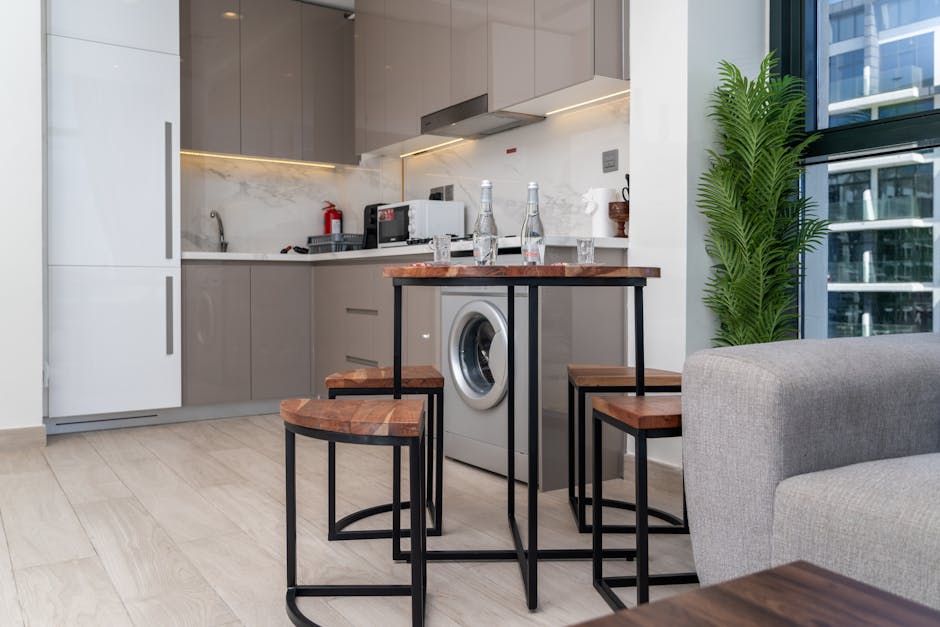
Plant Stand vs Modular Furniture: A Comparison
{
“html”: “
When deciding between a plant stand and modular furniture, several factors come into play. Let’s break down the key differences using a comparison table.
Comparison Table: Plant Stand vs Modular Furniture
| Feature | Plant Stand | Modular Furniture |
|---|---|---|
| Space Efficiency | Typically compact, ideal for small spaces | Highly versatile, can be configured to fit various spaces |
| Design Flexibility | Limited to displaying plants | Can be used for multiple purposes (storage, display, workspace) |
| Cost | Generally more affordable, with prices starting from $20 | Priced variably, from $50 for simple units to $500+ for complex configurations |
| Customer Reviews | Average rating: 4.2/5; praised for simplicity and aesthetic appeal | Average rating: 4.5/5; appreciated for versatility and quality |
Here’s the thing: while plant stands are great for showcasing your favorite plants, modular furniture offers a broader range of uses. If you’re looking for a space-saving solution that can adapt to different needs, modular furniture might be the way to go. On the other hand, if you’re primarily interested in displaying plants, a plant stand is a simple and effective choice.
For those interested in exploring more about space-saving furniture, you might find our guide on display ladders in India helpful. It covers various options for maximizing storage in small spaces.
- Consider your primary needs: display, storage, or workspace?
- Think about the versatility you require
- Evaluate your budget and the potential for future needs
By weighing these factors, you can make an informed decision that suits your lifestyle and space constraints.
”
}
| Feature | Plant Stand | Modular Furniture |
|---|---|---|
| Purpose | Specifically designed to hold plants, providing support and elevation | Multi-functional, can be used for various purposes such as seating, storage, and display |
| Customization | Limited customization options, usually comes in standard sizes and designs | Highly customizable, can be configured to fit specific spaces and needs |
| Space Efficiency | Compact and space-saving, ideal for small areas | Can be space-efficient, but may require more floor space depending on configuration |
| Material Options | Typically made from wood, metal, or plastic | Wider range of material options, including wood, metal, plastic, and fabric |
| Price Range | Generally more affordable, with prices starting from $20-$50 | Can be more expensive, with prices ranging from $100-$500 or more depending on the configuration |
| Assembly Required | Usually easy to assemble, with minimal tools required | May require more assembly and configuration, with varying levels of complexity |
| Style and Aesthetics | Simple and functional design, may not be a focal point in the room | Can be a statement piece, with modern and sleek designs that enhance the room’s aesthetic |
This comparison table provides a clear and concise overview of the key differences between plant stands and modular furniture, helping readers make an informed decision based on their specific needs and preferences. The criteria used in this comparison include purpose, customization, space efficiency, material options, price range, assembly required, and style and aesthetics, which are all relevant and meaningful factors for readers searching for information on plant stands vs modular furniture.
Tips for Choosing the Right Option for Your Home
Choosing between a plant stand and modular furniture for your home can be a bit tricky. Here are some valuable tips to consider. First, think about the size of your room. If you’re dealing with a tiny apartment, a compact plant stand might be the way to go. On the other hand, if you’ve got a bit more space to play with, modular furniture can offer more flexibility.
Consider Your Personal Style
Your personal style plays a significant role in this decision. If you lean towards minimalism, a simple plant stand could be the perfect fit. For those who like to mix and match, modular furniture offers the versatility you need. At Hanamori, we combine Japanese balance with human care to create furniture that’s not just stylish but also posture-friendly.
- Assess your available space carefully
- Think about your lifestyle and needs
- Consider the aesthetic you want to achieve
- Don’t forget about comfort and ergonomics
For instance, if you’re looking for a display ladder to showcase your plants or decorative items, it might be worth considering how it fits into your overall decor. Similarly, if you’re drawn to the idea of a folding desk for a home office, think about how it will be used daily.
Ultimately, the decision comes down to your specific needs and preferences. By weighing these factors, you’ll be able to choose the right option for your home that aligns with your lifestyle and aesthetic.
Incorporating Japanese Minimalism into Your Decor
Japanese minimalism is more than just a design aesthetic – it’s a way of living that emphasizes simplicity, calmness, and a connection to nature. When incorporating this philosophy into your home decor, you’ll want to focus on using natural materials, simple colors, and thoughtful spacing. Hanamori’s furniture embodies these principles, offering a range of foldable pieces that bring a sense of serenity to modern living spaces.
Key Elements of Japanese Minimalism
- Natural materials: Wood, bamboo, and paper are staples of Japanese minimalism.
- Simple color palette: Muted tones like beige, gray, and white create a calming atmosphere.
- Thoughtful spacing: Carefully considered layouts promote a sense of flow and relaxation.
When choosing between a plant stand and modular furniture, consider how each option aligns with these principles. A plant stand can add a touch of natural beauty to your space, while modular furniture offers flexibility and functionality. For those who value versatility, modular furniture might be the better choice, especially when paired with a thoughtful display of plants or other decorative elements.
To create a harmonious and balanced space, consider the overall aesthetic you want to achieve. If you’re looking for inspiration, you can explore our guide on dining table Delhi for ideas on selecting the perfect piece for your home. By incorporating elements of Japanese minimalism, you’ll be well on your way to creating a peaceful and inviting living space that reflects your personal style.
Conclusion: Finding the Perfect Balance
Finding the perfect balance between style and function is crucial when it comes to home decor. As we’ve explored throughout this article, both plant stands and modular furniture have their unique benefits. The key is to consider your specific needs and space constraints.
Assessing Your Space
Before making a decision, take stock of your room’s dimensions and layout. Measure the available space and think about the flow of traffic. This will help you determine whether a plant stand or modular furniture is more suitable.
- Consider the size and shape of the room
- Think about the style and aesthetic you want to achieve
- Assess your storage needs and available space
At Hanamori, we’re committed to helping you create a harmonious and functional living space. Our foldable furniture solutions are designed with Japanese minimalism in mind, perfect for tiny apartment dwellers. With quick payment options and super fast shipping, you can trust that you’re in good hands.
For more inspiration on creating a minimalist haven, check out our guides on dining tables in Delhi or display ladders in Mumbai. These resources can help you make informed decisions about your home decor and find the perfect balance between style and function.
Frequently Asked Questions
What is the main difference between a plant stand and modular furniture?
The main difference between a plant stand and modular furniture is their purpose and design. A plant stand is a single piece of furniture designed to hold plants, while modular furniture is a system of interchangeable components that can be arranged to serve multiple purposes, including holding plants. Modular furniture offers more flexibility and versatility in terms of design and functionality.
How can I incorporate minimalist principles into my home decor using plant stands or modular furniture?
You can incorporate minimalist principles into your home decor by choosing simple, functional pieces like plant stands or modular furniture that serve multiple purposes. Consider the Japanese concept of ‘ba’ and focus on creating a sense of calm and simplicity in your space by selecting furniture with clean lines, minimal ornamentation, and a limited color palette.
Why is modular furniture a good choice for small apartments or tiny homes?
Modular furniture is a good choice for small apartments or tiny homes because it is space-efficient, versatile, and can be easily rearranged to suit different needs. It allows homeowners to maximize their limited space and create a sense of flow and functionality, which is essential for minimalist living.
Can plant stands be used as part of a modular furniture system?
Yes, plant stands can be used as part of a modular furniture system. Many modular furniture systems include plant stands or shelves that can be used to display plants, adding a touch of natural beauty to the space while maintaining the overall minimalist aesthetic.
What are the benefits of choosing modular furniture over traditional furniture for a minimalist lifestyle?
The benefits of choosing modular furniture over traditional furniture for a minimalist lifestyle include increased flexibility, space efficiency, and the ability to easily rearrange or replace components as needed. Modular furniture also encourages a more intentional approach to consumption and can help reduce clutter and waste.
How does Hanamori’s approach to simplicity and minimalism influence their furniture design?
Hanamori’s approach to simplicity and minimalism is rooted in Japanese design principles, which emphasize the importance of balance, simplicity, and human care. Their furniture designs reflect this philosophy, with a focus on creating pieces that are functional, space-efficient, and visually calming, promoting a sense of serenity and well-being in the home.
Are plant stands and modular furniture suitable for all types of decor and interior design styles?
While plant stands and modular furniture can be adapted to fit various decor styles, they are particularly well-suited for minimalist, modern, and Japanese-inspired interiors. However, with careful selection and styling, they can also be incorporated into other design styles, such as industrial or bohemian, to add a touch of simplicity and functionality.
Do plant stands and modular furniture require special maintenance or upkeep?
Plant stands and modular furniture generally require minimal maintenance and upkeep. They are designed to be durable and easy to clean, with many pieces featuring simple, removable components that can be wiped down or replaced as needed. Regular dusting and occasional deep cleaning are usually sufficient to keep these pieces looking their best.