
Introduction to Tiny Home Space Challenges
Living in a tiny home can be a liberating experience, but it also comes with its unique set of challenges. One of the most significant hurdles is decorating and organizing the limited space available. You’re constantly juggling between functionality and aesthetic appeal, trying to create a home that feels both calm and rich.
The Tiny Home Conundrum
When you’re dealing with a small living space, every inch counts. You’ve got to be intentional about the furniture you choose and how you use it. Clutter can quickly become overwhelming, making it difficult to relax in your own home. That’s where space-saving solutions come into play.
Two popular options for maximizing space in tiny homes are clothes racks and DIY furniture. Both have their benefits and drawbacks, which we’ll explore in more detail later. For now, let’s consider the importance of minimalist designs in creating a sense of calm and serenity in small living spaces.
- Minimizes clutter and visual noise
- Creates a sense of openness and flow
- Encourages intentional living and simplicity
Japanese-inspired minimalism is particularly effective in achieving this balance. By incorporating elements like natural materials, simple lines, and a limited color palette, you can create a sense of richness and warmth in even the smallest of spaces. Hanamori’s foldable furniture, inspired by these principles, offers a practical solution for tiny home dwellers. For example, their folding desk can help you create a functional workspace without sacrificing precious floor space.
The Benefits of Clothes Racks for Tiny Homes
Tiny homes present a unique challenge when it comes to managing clothing. With limited space, it’s crucial to find storage solutions that are both efficient and practical. One effective way to tackle this issue is by using clothes racks. Unlike bulky wardrobes or dressers, clothes racks offer a slim profile that can fit into tight spaces, making them ideal for tiny homes.
Space-Saving Potential
Clothes racks are designed to maximize vertical space while minimizing floor usage. They’re perfect for displaying your favorite outfits or storing out-of-season clothing. By keeping your clothes organized and visible, you’ll reduce clutter and make the most of your available space. For those who value minimalism, a clothes rack can be a simple yet effective solution.
When comparing clothes rack vs DIY furniture, it’s essential to consider the ease of installation and flexibility. Clothes racks are typically straightforward to assemble and can be moved around as needed. They’re also a cost-effective option, as you can find affordable models or even repurpose old items to create your own unique storage solution.
- Some benefits of using clothes racks include:
- Compact design that fits into small spaces
- Easy to assemble and disassemble
- Cost-effective compared to custom DIY furniture
- Versatile – can be used for displaying or storing clothing
For those looking for inspiration, you can explore our guide on display ladders in India for additional storage ideas that complement your clothes rack. By incorporating a clothes rack into your tiny home design, you’ll be able to maintain a clutter-free environment while showcasing your personal style.
Exploring DIY Furniture Options for Small Spaces
Getting Creative with DIY Furniture
When it comes to tiny homes, every inch counts. That’s why DIY furniture can be a great solution for maximizing space while adding a personal touch. By creating your own custom pieces, you can ensure they fit perfectly in your home, meeting your specific needs.
One of the main benefits of DIY furniture is cost savings. You can repurpose materials you already have, reducing waste and the need for new purchases. For instance, an old pallet can become a unique coffee table or storage unit. Plus, DIY projects allow you to customize the design, material, and size to fit your space and style.
- Choose materials that are durable and sustainable.
- Consider the scale of your furniture in relation to your tiny home.
- Opt for multi-functional pieces to maximize space.
For those who aren’t handy, start with simple projects like a clothes rack or shelving unit. You can find many tutorials and plans online to guide you. If you’re looking for inspiration, Hanamori’s foldable furniture designs might spark some ideas. Check out our guide on 5 Space-Saving Hacks for Your Home with the Best Folding Desk in Noida for more tips on maximizing your space.
Tips for Successful DIY Furniture Projects
To get started, it’s essential to plan carefully. Measure your space, consider the function of the piece, and choose materials wisely. Don’t be afraid to get creative and try new things – it’s all part of the DIY experience. By comparing display ladder options or exploring different folding desk designs, you can find the perfect balance between form and function.
| DIY Project | Skill Level | Cost |
|---|---|---|
| Simple Clothes Rack | Beginner | $20-$50 |
| Custom Shelving Unit | Intermediate | $50-$100 |
| Multi-Functional Storage Ottoman | Advanced | $100-$200 |
Ultimately, DIY furniture offers a unique opportunity to create a space that truly reflects your personality and needs. Whether you’re a seasoned DIY enthusiast or just starting out, the benefits of DIY furniture – from cost savings to personalization – make it an attractive option for tiny home dwellers.
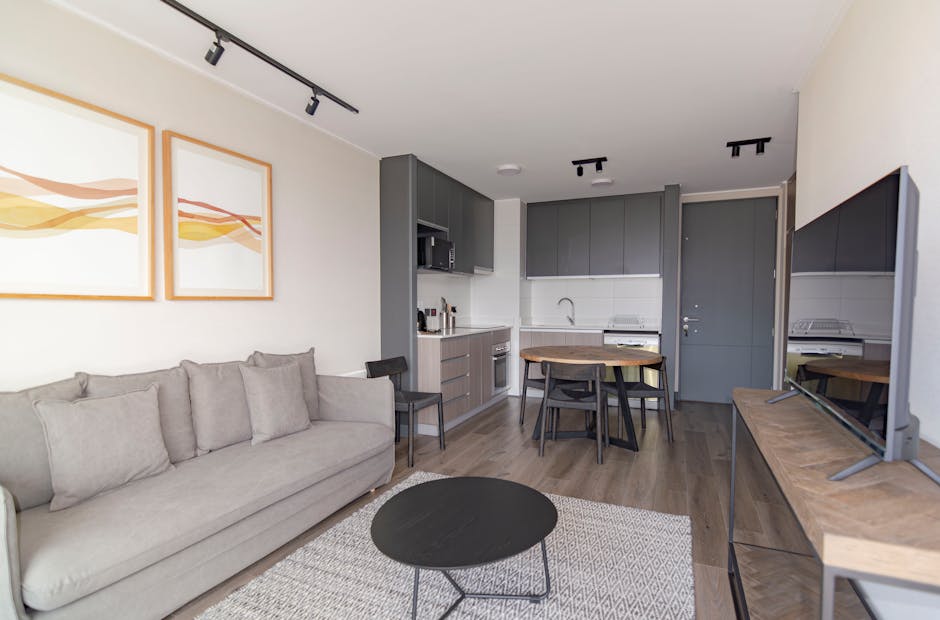
Comparison of Clothes Racks and DIY Furniture
Clothes Racks vs DIY Furniture: A Comparison
When it comes to organizing your tiny home, you’re likely weighing your options between clothes racks and DIY furniture. Both have their pros and cons, which can make the decision-making process challenging. Here’s a comparison table to help you make an informed decision based on your specific needs and preferences.
| Feature | Clothes Racks | DIY Furniture |
|---|---|---|
| Cost | Generally affordable, with prices starting from $20-$50 | Variable costs depending on materials; can be cost-effective if repurposing existing materials |
| Customization | Limited to the design and size available in the market | Highly customizable to fit specific needs and spaces |
| Assembly and Installation | Usually easy to assemble and set up | Requires DIY skills and potentially more time and effort for assembly |
| Space Efficiency | Designed to be space-saving and often foldable | Can be optimized for space efficiency based on the design |
| Aesthetic Appeal | Available in various styles, but may not perfectly match your home decor | Can be designed to match your home decor and personal style |
As you can see, clothes rack vs DIY furniture is a decision that hinges on your priorities. If you’re looking for a quick, affordable solution with minimal setup, clothes racks might be the way to go. On the other hand, if you’re willing to invest time and effort into creating something that perfectly fits your space and style, DIY furniture is a great option. For those interested in exploring more space-saving solutions, you might find our guides on folding desks in Noida or display ladders in Delhi helpful.
- Consider your budget and whether the cost-effectiveness of clothes racks or the customization potential of DIY furniture is more appealing.
- Think about your DIY skills and whether you have the time and inclination to create your own furniture.
- Reflect on your space constraints and how each option can help optimize your living area.
Ultimately, the choice between clothes racks and DIY furniture depends on your specific needs, preferences, and the unique challenges of your tiny home. By weighing these factors, you can make a decision that enhances both the functionality and aesthetic of your living space.
| Criteria | Clothes Rack | DIY Furniture |
|---|---|---|
| Cost | Affordable, $20-$100 | Varies, $0-$500 (depending on materials) |
| Space Efficiency | Compact, wall-mounted or freestanding options | Customizable to fit any space, can be bulky |
| Assembly and Installation | Easy to assemble, often tool-free | Requires tools, time, and DIY expertise |
| Customization Options | Limited, standard designs and sizes | Highly customizable, can be tailored to specific needs |
| Durability and Quality | Varies by brand and model, generally sturdy | Depends on materials and construction quality |
| Style and Aesthetics | Modern, sleek designs, various finishes | Unique, personalized designs, can be rustic or modern |
| Environmental Impact | Mass-produced, may contribute to waste | Can be eco-friendly, uses repurposed or sustainable materials |
| Time Commitment | Quick to set up, minimal time required | Requires significant time and effort to design and build |
This comparison table aims to provide a balanced and informative overview of the key differences between clothes racks and DIY furniture, helping readers make an informed decision that suits their needs and preferences.
Incorporating Japanese Minimalism into Your Tiny Home
Japanese minimalism is more than just a design aesthetic; it’s a way of living that emphasizes simplicity, intention, and mindfulness. When applied to tiny homes, these principles can create a sense of calm and richness that’s hard to achieve in cluttered spaces. By incorporating posture-friendly, space-saving furniture designs inspired by Japanese minimalism, you can transform your tiny home into a serene retreat.
The Principles of Japanese Minimalism
At its core, Japanese minimalism is about embracing the beauty of simplicity. It’s about stripping away unnecessary elements and focusing on what’s truly important. This philosophy is reflected in the design of traditional Japanese homes, where every item has a purpose and is carefully considered to create a sense of harmony and balance.
To apply these principles to your tiny home, start by paring down your belongings to the essentials. Consider the 80/20 rule: 80% of the time, you likely only use 20% of your belongings. Be ruthless – if you don’t need it, don’t love it, or can’t display it beautifully, it’s probably safe to let it go.
Space-Saving Furniture Inspired by Japanese Minimalism
One of the key elements of Japanese minimalism is the use of multifunctional, space-saving furniture. Our folding desk solutions are perfect examples of this principle in action. By choosing furniture that’s both functional and compact, you can create a sense of flow and openness in your tiny home, even when space is limited.
- Look for furniture with clean lines and minimal ornamentation
- Choose multifunctional pieces that serve more than one purpose
- Consider the scale of your furniture – oversized pieces can overwhelm a small space
By embracing the principles of Japanese minimalism and incorporating space-saving furniture into your tiny home, you can create a peaceful, clutter-free living space that feels larger than it is. Whether you’re working with a tiny apartment or a compact studio, these design principles can help you achieve a sense of calm and serenity in your home.
Tips for Choosing the Right Furniture for Your Tiny Home
Choosing the right furniture for your tiny home can be a daunting task, especially when you’re torn between convenience and customization. You’re likely weighing options like clothes racks versus DIY furniture. Let’s dive into some practical tips to help you make an informed decision.
Assess Your Space and Needs
Before selecting furniture, take stock of your tiny home’s dimensions and your lifestyle needs. Consider the flow of your space and how you want to use it. For instance, if you work from home, you might need a compact desk that can be folded away when not in use. Check out our guide on folding desks in Noida for inspiration.
- Measure your space carefully to ensure the furniture fits comfortably.
- Think about your daily routines and what furniture will support them.
- Prioritize multi-functional pieces that serve more than one purpose.
Prioritize Durability and Versatility
Tiny homes require furniture that’s both durable and versatile. You’re looking for pieces that can withstand regular use while adapting to different situations. For example, a clothes rack can be a great space-saving solution, but consider whether it can also serve as a room divider or a display stand for decorative items.
| Furniture Type | Durability | Versatility |
|---|---|---|
| Clothes Rack | Medium | High |
| DIY Furniture | Variable | High |
When deciding between a clothes rack and DIY furniture, consider the trade-offs. A clothes rack is often ready to use and can be more cost-effective, while DIY furniture allows for customization to fit your exact needs and space.
Conclusion: Finding the Perfect Balance for Your Tiny Home
Finding the perfect balance for your tiny home is all about harmony between functionality, aesthetic appeal, and space-saving solutions. We’ve explored various options, from clothes racks to DIY furniture, and even touched on the principles of Japanese minimalism. The key takeaway is that there’s no one-size-fits-all solution; what works for you will depend on your specific needs and preferences.
Key Considerations for Tiny Home Furniture
- Durability: Choose furniture that can withstand daily use.
- Versatility: Opt for pieces that serve multiple purposes.
- Aesthetic appeal: Select items that fit your desired minimalist aesthetic.
When deciding between a clothes rack vs DIY furniture, consider your priorities. If you value ease and simplicity, a clothes rack might be the way to go. For those who enjoy crafting and customization, DIY furniture offers a world of possibilities.
Hanamori’s foldable furniture options can be a great solution for tiny home dwellers. Their designs embody Japanese minimalism, offering a sense of calm and richness to small living spaces. For example, their folding desk can help create a functional workspace without cluttering your home.
Ultimately, achieving the perfect balance in your tiny home requires thoughtful consideration of your needs and preferences. By choosing the right furniture, you can create a space that is both functional and beautiful.
Frequently Asked Questions
What are the benefits of using a clothes rack in a tiny home space?
Using a clothes rack in a tiny home space can help maximize storage and keep your clothes organized, while also being a space-saving solution. Clothes racks are often compact and can be easily moved or rearranged as needed. This makes them a great option for tiny homes where flexibility is key.
How can DIY furniture help with clutter in a small living space?
DIY furniture can help with clutter in a small living space by providing customizable storage solutions that fit your specific needs. By building your own furniture, you can create pieces that are tailored to your space and help keep clutter at bay. This can include items like shelves, storage bins, and foldable tables.
Why is minimalist design important in tiny home spaces?
Minimalist design is important in tiny home spaces because it helps to create a sense of calm and serenity. By keeping decor and furniture simple and uncluttered, you can create a peaceful atmosphere that makes your small space feel larger. This is especially important in tiny homes where clutter can quickly become overwhelming.
What are some key considerations when choosing between a clothes rack and DIY furniture for a tiny home?
When choosing between a clothes rack and DIY furniture for a tiny home, consider the amount of space you have available, your specific storage needs, and the overall aesthetic you want to achieve. You should also think about the level of customization you need and whether you have the skills and resources to build your own furniture.
Can DIY furniture be a cost-effective option for tiny home owners?
Yes, DIY furniture can be a cost-effective option for tiny home owners. By building your own furniture, you can often save money on materials and labor costs. Additionally, DIY furniture can be made from repurposed or reclaimed materials, which can help reduce waste and save you even more money.
How can I incorporate Japanese minimalism into my tiny home decor?
You can incorporate Japanese minimalism into your tiny home decor by using natural materials, simple colors, and clean lines. Consider using furniture with a minimalist aesthetic, such as foldable tables and chairs, and add decorative elements like plants or simple artwork to bring warmth and texture to your space.
What are the benefits of using foldable furniture in a tiny home space?
Using foldable furniture in a tiny home space can help maximize storage and keep your space flexible. Foldable furniture can be easily moved or rearranged as needed, and can be folded up and stored away when not in use. This makes it a great option for tiny homes where space is limited and versatility is key.
Are clothes racks a good option for small closets or bedrooms in tiny homes?
Yes, clothes racks can be a good option for small closets or bedrooms in tiny homes. They are often compact and can be used to hang clothes, bags, and other items, helping to keep your space organized and clutter-free. Consider using a wall-mounted clothes rack to save floor space and make the most of your vertical space.